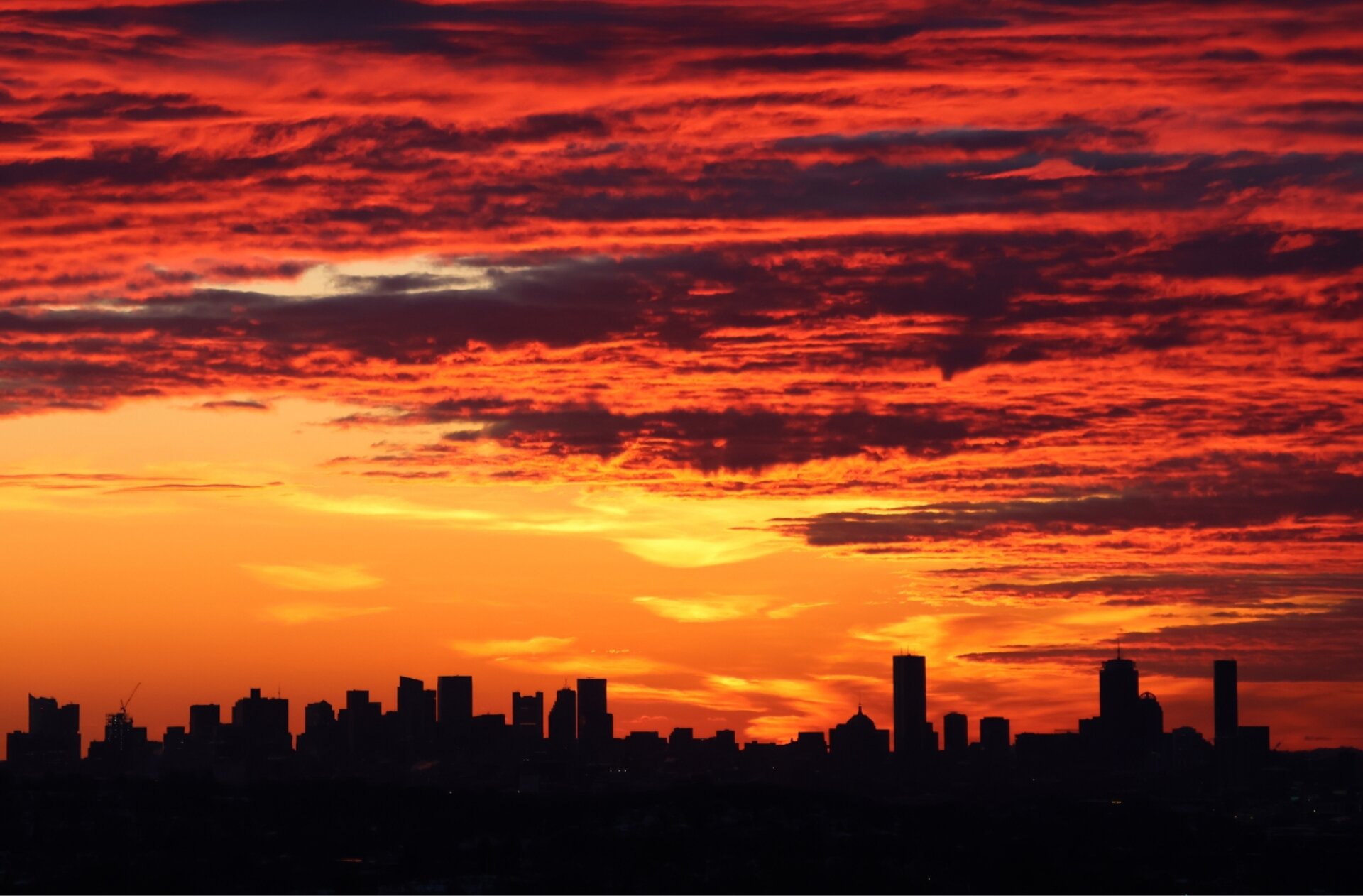
 Boston, MA
Boston
Photography Conditions
Sunset · Astrophotography · Drone Flight · Pre-loaded for Boston
The go-to skyline shot for a Boston sunset. Face northwest at golden hour and you get the Seaport towers silhouetted against the sky, with harbor foreground. Summer sun sets directly behind the skyline Jun–Aug. Arrive 30 min early to stake your composition.
Check tonight's sunset →The Charles River becomes a mirror at golden hour. Shoot west from the Esplanade for Charles River reflections backed by Cambridge. The Longfellow Bridge adds foreground structure. Best on calm evenings: wind kills the reflection.
Check river conditions →The closest dark sky escape from the city. Not true Milky Way territory, but workable for wide-field star shots and foreground-rich compositions. Great Blue Hill summit (635 ft) gives a clear horizon. Check Starcast before you drive: moon phase makes or breaks it here.
Check Blue Hills tonight →Deer Island sits right on the harbor mouth — one of the only spots near Boston with an unobstructed 180° ocean horizon. Exceptional for sunrise. The suspension cables of the water treatment facility add industrial foreground interest few people know about.
Check sunrise forecast →| Location | Distance | Bortle | Best for | |
|---|---|---|---|---|
| Blue Hills Reservation | 8 mi south | 6–7 | Wide field, foreground shots | Starcast → |
| Harold Parker State Forest | 28 mi north | 5–6 | Milky Way rising, lake reflections | Starcast → |
| Wachusett Reservoir | 35 mi west | 4–5 | Core shots, strong foreground | Starcast → |
| Quabbin Reservoir | 75 mi west | 3–4 | Serious Milky Way, dark skies | Starcast → |
- Core rises in the southeast after midnight — worth the drive west
- Fog off the harbor creates atmospheric sunset conditions on the Esplanade
- Wind picks up: check Dronecast before flying near the water
- Golden hour at 7–7:30 PM, growing toward summer
- Sun sets behind the Seaport skyline from Castle Island Jun–Aug
- Core is up by 10 PM — usable dark window even with short nights
- Galactic center peaks at Quabbin and Wachusett on new moon nights
- Humidity can haze out the core: check transparency score in Starcast
- Low-angle October sun hits Beacon Hill brownstones perfectly
- Foliage + golden hour from Blue Hills summit: mid-October peak
- Milky Way fades in September; focus shifts fully to sunset and cityscape
- Atlantic systems bring dramatic cloud cover: worth checking Goldcast daily
- Golden hour starts as early as 3:30 PM — plan accordingly
- Snow on the Esplanade + amber sky is one of Boston's best shots
- Cold dry air means excellent transparency: best star transparency of the year
- Wind off the harbor routinely exceeds drone limits — always check Dronecast