 New York, NY
New York
Photography Conditions
Sunset · Astrophotography · Drone Flight · Pre-loaded for New York

The classic Manhattan shot from the Brooklyn side. Piers 1–6 give progressively different angles on the Brooklyn Bridge and downtown skyline. The Manhattanhenge sun alignment (two weeks around May 29 and July 12) puts the sun perfectly centered on the Manhattan grid — one of the most sought-after city shots on the East Coast.
Check tonight's sunset →The New Jersey palisades frame the western horizon from piers along the Hudson. Sunset drops behind the cliffs in winter, creating a layered silhouette. Pier 84 near 44th St and Pier 25 in Tribeca are the least crowded. Low humidity days in fall produce exceptional light quality here.
Check Hudson conditions →The go-to dark sky escape for NYC photographers. The Catskill ridge at 3,000+ ft offers Bortle 4–5 skies within a 90-minute drive. Kaaterskill Clove and North Lake provide elevated shooting positions with valley foreground. Check Starcast before driving: mountain weather is unpredictable.
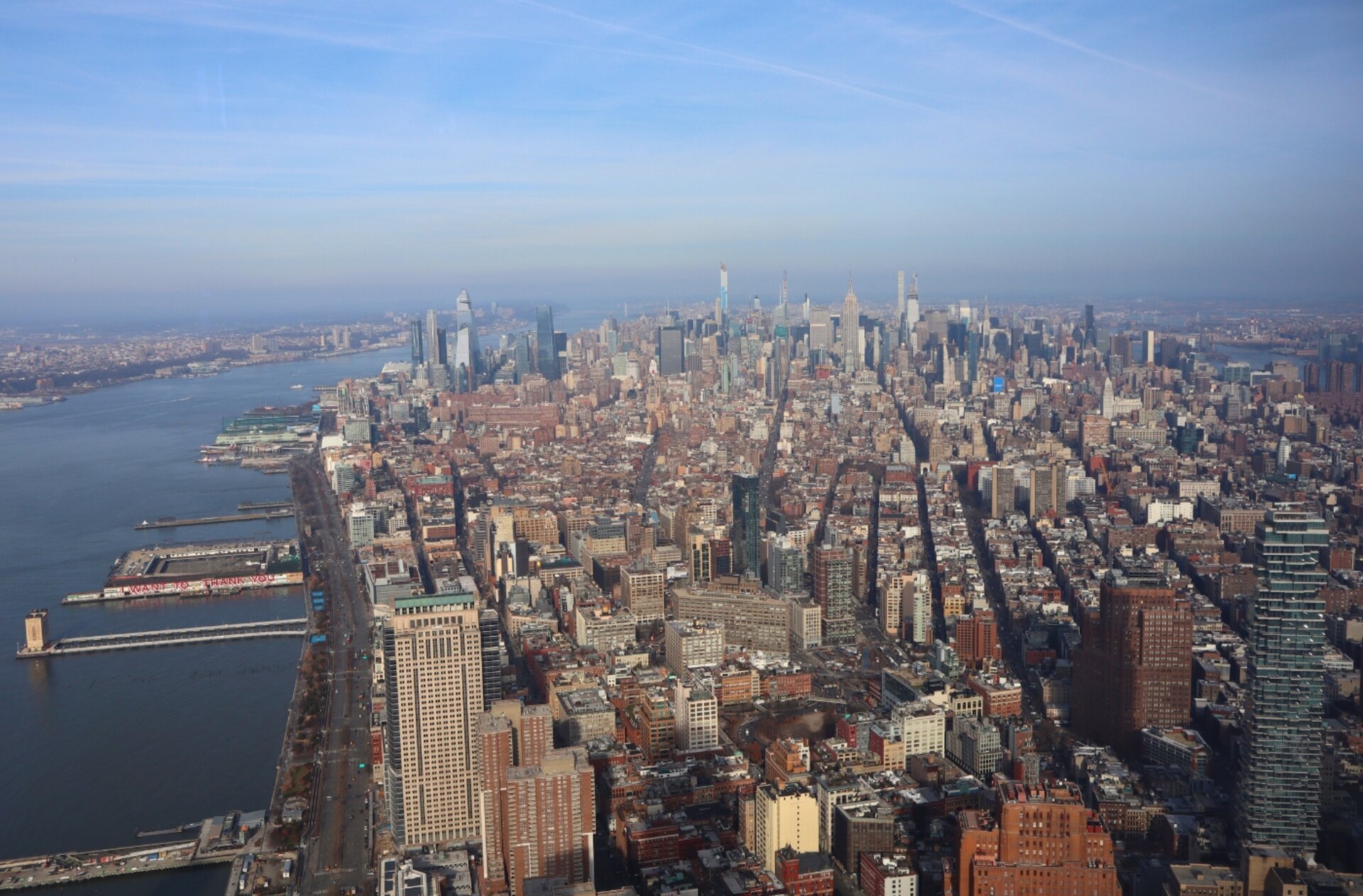
Check Catskills tonight →Top of the Rock gives you the Empire State Building as foreground — a compositional opportunity unavailable from the Empire State itself. The High Line at golden hour catches West Side industrial architecture in low-angle light. Both locations reward knowing exactly when the sun aligns with the grid.
Check golden hour →| Location | Distance | Bortle | Best for | |
|---|---|---|---|---|
| Catskill Mountains | 90 mi N | 4–5 | Mountain Milky Way, valley fog | Starcast → |
| Delaware Water Gap | 70 mi W | 4–5 | River reflections, ridge views | Starcast → |
| Fire Island | 55 mi E | 5–6 | Ocean horizon, no cars | Starcast → |
| Adirondacks | 200 mi N | 2–3 | World-class dark sky, lakes | Starcast → |
- Manhattanhenge: ~May 29 and July 12 — sun aligns perfectly with the Manhattan grid
- Cherry blossoms at the Brooklyn Botanic Garden peak mid-April
- Milky Way returns by April — Catskills are accessible and roads are clear
- Morning fog over the Hudson adds atmospheric depth to waterfront shots
- Summer solstice gives the latest golden hour of the year — around 8:15 PM
- Catskills Milky Way peaks on new moon nights in June–August
- Humidity haze softens the skyline: high-clarity days in July are worth watching for
- Drone regulations tighten around major events: check Dronecast for TFRs
- Post-front October days produce exceptional clarity: Manhattan from DUMBO looks razor-sharp
- Hudson Valley foliage peaks mid-October — drive to the Catskills for combined shots
- Milky Way fades in September; skyline and golden hour work takes over
- Marathon and major events create crowds: plan Brooklyn Bridge shots for early AM
- Winter inversions occasionally create snow-globe fog in the valleys around Manhattan
- Low sun angle in January rakes light down the avenues at golden hour
- Cold dry air: best atmospheric transparency of the year
- Drone permits are harder to get near NYC — plan ahead and check Dronecast