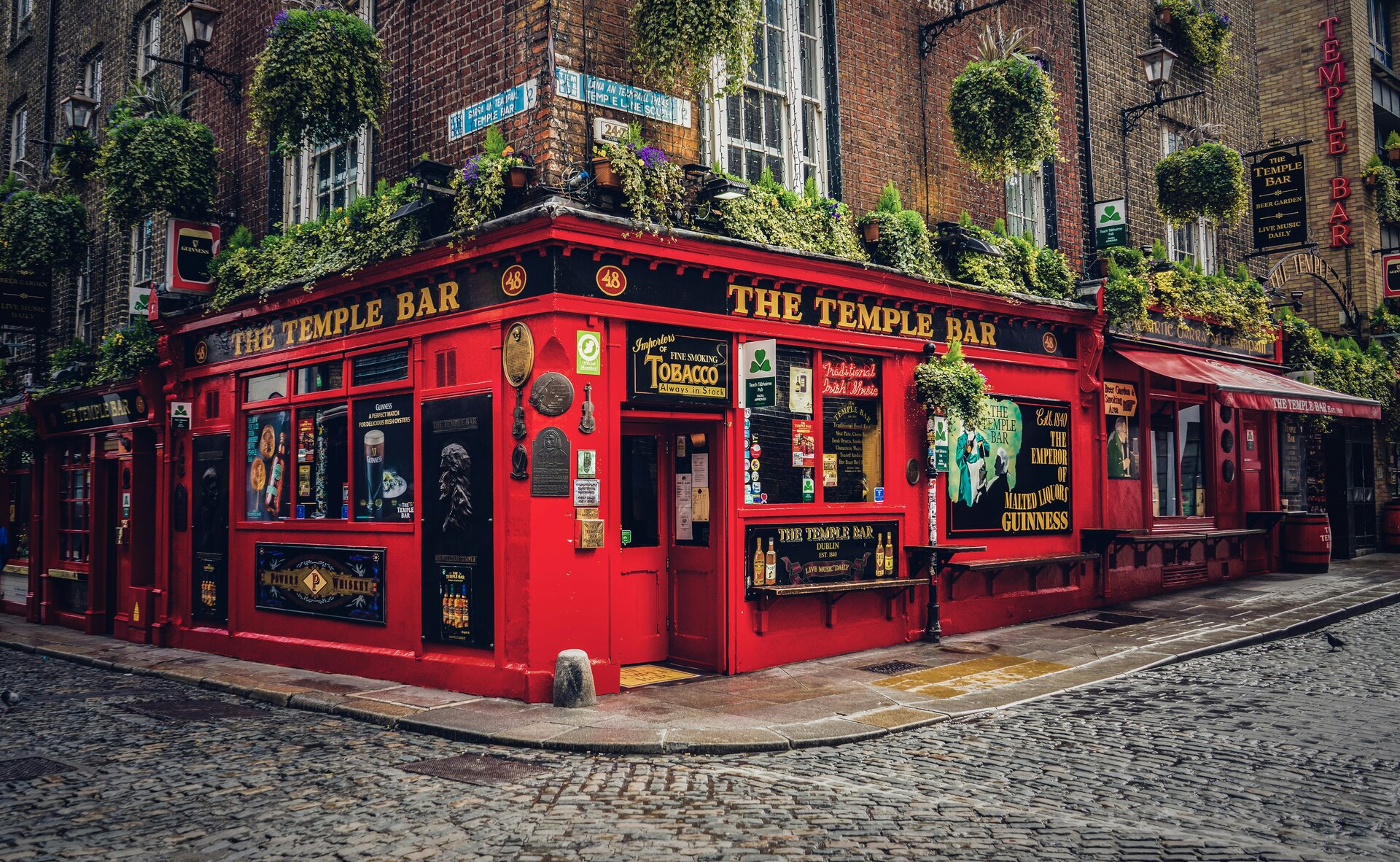
 Dublin, Ireland
Dublin
Photography Conditions
Sunset · Astrophotography · Drone Flight · Pre-loaded for Dublin
Dublin's most iconic golden hour location. Walk the Great South Wall pier out to the red lighthouse and shoot back toward the city as the Poolbeg Towers glow in the last light. The long straight pier gives a natural leading line into the composition. Best light arrives 30 to 45 minutes before official sunset. Drive to the Pigeon House Road car park for a 40-minute round trip, or walk 90 minutes from Sandymount. No public transit early enough for sunrise.
Check tonight's sunset →The cliff paths on Howth Head give dramatic coastal compositions with the open Irish Sea. The summit works for sunrise looking east over the water and for watching the sun set over the Dublin skyline to the west. The Ben of Howth trail offers several elevated vantage points with room to set up a tripod well away from the footpath. Reachable on the DART from the city centre in about 25 minutes, which makes pre-dawn trips practical without a car.
Check Howth forecast →One of the best panoramic viewpoints in the Dublin area. From the obelisk at the summit you get 360° views: Wicklow Mountains to the south, Dublin Bay to the east, the city to the north. The hill blocks some of the southern suburb light pollution and on clear evenings the golden hour light across the bay is exceptional. A 20-minute walk from the car park. Also useful for assessing whether Wicklow mountain sessions are worth the extra drive.
Check Killiney conditions →The Wicklow Mountains are Dublin's closest serious dark sky. Glendalough's 6th-century monastic ruins and twin glacial lakes give you a compelling foreground under Bortle 4 skies. The Round Tower and stone churches photograph well with star trails overhead. Sally Gap and Luggala, both slightly closer, offer open ridgelines with fewer obstructions for wide Milky Way shots. Drive south on the N11. Season runs February through October: check StarCast for cloud cover before you go.
Check Glendalough tonight →| Location | Distance | Bortle | Best for | |
|---|---|---|---|---|
| Wicklow Mountains (Glendalough) | 50 km south | 4 | Monastic ruins foreground, Milky Way | Starcast → |
| Sally Gap / Luggala | 45 km south | 4 | Open ridgeline, wide southern horizon | Starcast → |
| Howth Summit | 15 km north | 6 | Planets, bright objects, sea horizon | Starcast → |
| Wicklow Head | 75 km south | 3 | Darkest accessible site on the east coast | Starcast → |
- Atlantic fronts clear quickly in spring, often leaving exceptional post-rain transparency on the coast
- Milky Way core returns in late April: Wicklow sessions viable on new moon nights
- Golden hour pushes later each week through May, shooting window grows fast
- Poolbeg and Howth Head accessible without summer crowds
- Golden hour extends past 9:30 PM IST in midsummer: longest shooting windows of the year
- Astronomical darkness barely arrives before midnight in June, leaving a narrow Milky Way window
- May and August are better than June and July for combining sunset and star sessions
- Coastal scenes at Portmarnock, Clontarf, and Dún Laoghaire are at their most accessible
- September and October combine workable sunset times with long enough nights for Wicklow star sessions
- Atlantic storm light in October and November produces some of the most dramatic coastal photography of the year
- October is the last reliable Milky Way window before the core sets too early
- Post-storm clarity on the Liffey and Dublin Bay can be exceptional
- Sunset by 4:00–4:30 PM and full dark by 5:30 PM: Wicklow sessions can start early
- Winter swells make Poolbeg and the South Wall dramatically photogenic
- Cold clear nights after frontal systems give the best star transparency of the year
- Killiney Hill and Howth Head nearly empty on winter weekday afternoons